
DR. CASSIDY PRESTON

Coach. Author. Speaker.

DR. CASSIDY PRESTON

Coach. Author. Speaker.

It is the opening night of my NHL draft year. I’m 17 years old and I’m in the starting lineup. I’m standing on the blue line for the national anthem reviewing the big goals I’ve set for this season — I can feel the adrenaline buzzing through my body. It’s a crucial year to perform, get drafted, and make it one step closer to achieving my childhood dream of playing in the NHL.

But the puck drops… and nothing goes the way I imagined.

You see, I had a history of wearing my emotions on my sleeve. As a kid, when things went wrong, I’d slam my stick, doubt myself, spiral into frustration, and overthink every mistake. There were nights I rode the emotional rollercoaster so high I thought I was unstoppable — and others where I crashed so low I questioned if I even belonged on the ice.

I was outcome-obsessed and this created a constant battle in my head. Every shift felt like I had to produce points, and every glance from a coach, a parent, a scout carried the weight of judgment. When I got a point early in a game, I played loose and confident. But when I didn’t — when the bounces didn’t go my way despite how well I was playing — the tension crept in. I’d grip my stick tighter, second guess my decisions, and fall into a downward spiral that I couldn’t pull myself out of.

I was Mr. Inconsistent.

I’d go from playing confident and free to looking like a completely different player performing well below my capabilities.

Confidence Was the X-Factor

To say the least, my mindset in my NHL draft season could make or break me. In game 1 of the season, I play with confidence and excitement from being on the starting lineup.

But I don’t register a point. My confidence drops. Making me go into the next game a little more tense and tentative. Game after game this cycle continues. By the 15-game mark, I’m slouched in the dressing room with zero points and zero confidence. The coach calls me into his office. He doesn’t sugarcoat it: without points, my ice time was going to be cut.

And it was. I ended up being a healthy scratch — which means I wasn’t even on the bench, I was in the stands, eating popcorn.

At 17-years-old all I wanted was to be out on the ice chasing down my dream, but instead I was forced to sit in the stands and watch all my peers chase down their dreams.

That happened to me 48 times that season — that’s a lot of popcorn!

My confidence was shattered. I could barely make a pass in practice. When I did get into a game and get a measly few shifts I played safe, scared, and timid.

Not surprisingly, I finished the season with zero points. Zero. And in case it’s not clear, you don’t get drafted to the NHL with zero points.

The Worst Part

But the worst part wasn’t failing miserably at my goals nor eating all the stale popcorn.

The worst part is when the season ends and I go back home to North Bay, Ontario. It’s a pretty small town, and I’m the only guy playing in the OHL at the time—so I’m not a big deal, but I am kind of a big deal in a small town.

And someone has the nerve to say, “Hey, if I played 34 games in the OHL, I would have at least put up 1 point.”

My stomach drops. I feel like I just took a knife to the heart. I can’t decide if I want to fight him on the spot or run home, crawl under the covers, and cry.

All I can muster back is “You think I didn’t try to put up a point… ?”

I stumble away, my mind goes blank and my body goes numb as my entire identity is brought into question. I start to wonder:

I have just wasted everything I worked for my whole life?
Can I even bounce back from this?
Should I just give up?

I wanted to quit so bad.

The Realization

But I realized my entire mindset that year had been about putting up points, getting drafted, and rising the ranks. I was consumed with the external results. So much so, that I lost touch with the love of the game.

The only way for me to move forward with the game was to get back to why I played in the first place. I asked myself:

What would my 10 year old self say to do?
What did I enjoy so much about the game back then?
Could I find and experience that same joy again in this new context?

The answers became clear. I was able to reconnect to the love of the game and it helped me break free from the weight of all the external results and expectations.

By focusing on my passion and what I loved about the game in the first place it fueled the grit I needed to pick myself up and move forward. It ensured I did not let this failure define me.

I went on to play 8 more seasons of competitive hockey including a cup of coffee in the pro’s. I made great friends and memories – including winning a championship in junior hockey and I still love competing against my friends on the outdoor rink today.

This moment also started me on the path to finding a new approach to the mental game – one where my confidence could withstand the pressures, adversities and distractions that come with elite sport.

A Repeatable and Reliable Mental Game

I faced many more challenges in my career — a broken jaw, being sent down, and the constant battle of confidence. It took me nearly a decade of trial and error to piece together a mental game that worked.

It wasn’t easy. The sports world is full of cliché advice: “Stay positive.” “Don’t worry about it.” “Be confident.” None of that helped me. I needed real strategies — personalized and practical — that could keep me connected to the love of the game and help me play my best consistently, no matter what the scoreboard said.

That search became an obsession. I studied, tested, and refined everything I could about the mental game. Eventually, it drove me into academia, where I earned my Ph.D. in Sport Psychology from York University. Along the way, I’ve read 100’s of books and learned from world leaders in human performance like Dr. John Demartini and Todd Herman.

And through that blend of lived experience and science, I built what has now become the CEP Mindset System — a proven framework that has helped tens of thousands of athletes and high-performers play with reliable confidence, achieve Consistent Elite Performance, and, most importantly, stay connected to the love of the game.

Changing the Culture of Sport

I’ve dedicated my career to making sure athletes don’t have to fight the same battles I did. They don’t need to spend years riding the rollercoaster of inconsistency, gripping their stick too tight, or figuring it all out the hard way.

Because at the end of the day, sport should be fun. It’s an opportunity to develop life skills, build relationships, and fully express yourself — but it’s a shame when the joy of sport gets stripped away.

The good news? Mental performance is no longer dismissed as “soft.” It’s now recognized as a cornerstone of success and well-being — helping athletes thrive not only in sport, but in life.

That shift, combined with our proven system, has propelled CEP into one of the largest Mental Performance Coaching firms in North America. With a team of 20+ coaches and growing, our mission at CEP Mindset is clear: to change the culture of sport by helping athletes build healthier, stronger mindsets — one athlete at a time.

COACHING

Get 1-on-1 coaching to improve your mental game and achieve Consistent Elite Performance.
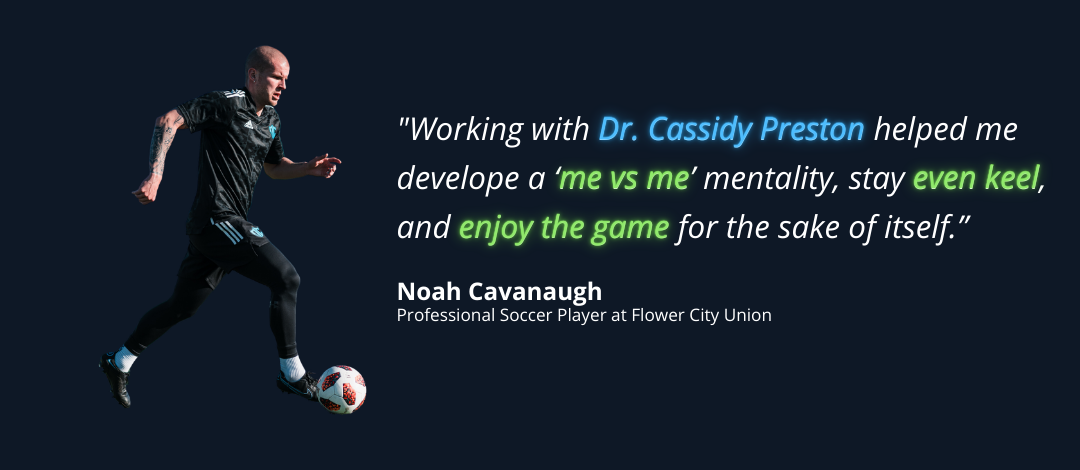
MINDSET FIRST

Break free of the weight of results, play with confidence, and perform when it matters most.
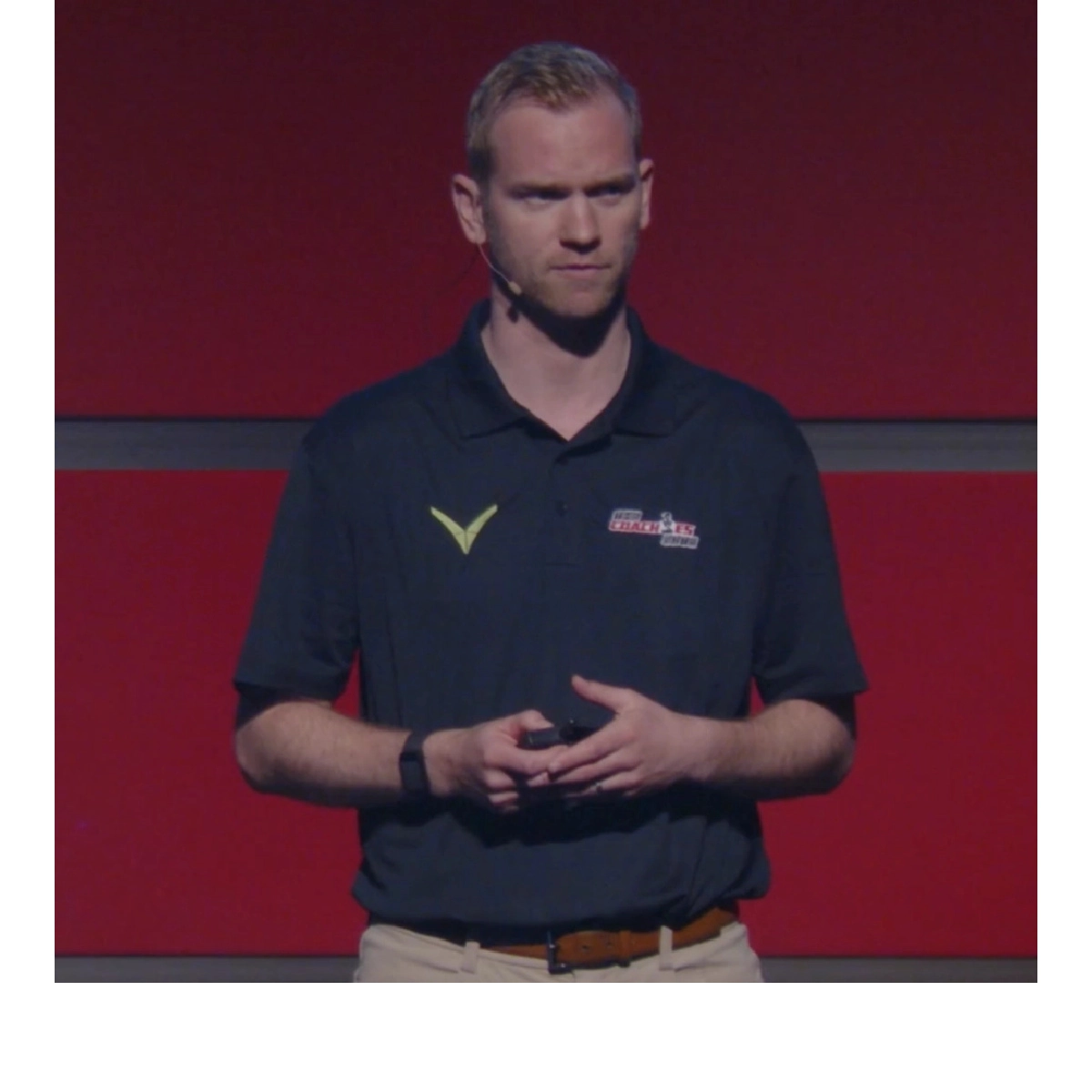
SPEAKING

Inspire, train, and transform your organization to have more focus, resilience, and peak performance.